In any industry built on taste—restaurants, catering, product development, or even home cooking at a high level—there’s a moment when people begin realizing that flavor isn’t chaos. It’s architecture. And sauce, a fundamental component of cooking that has evolved alongside human civilization, becomes the element that quietly determines why one dish lands with depth and another falls flat.
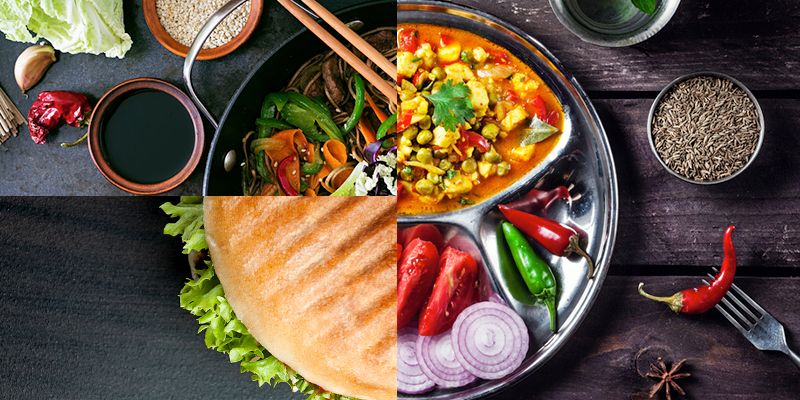
The Savory of Umami: The Taste Depth Builders
Every great kitchen, whether a boutique restaurant or a premium meal-prep brand—relies on at least one anchor. In flavor terms, that anchor is umami. The culinary expertise surrounding umami centers on utilizing concentrated, high-quality savory bases, ensuring that chefs and kitchens can seamlessly build complexity into virtually any dish, transitioning the profile from deep, rich Western stews to bright, authentic Asian glazes. This strategic focus on high-impact flavor concentrates ensures maximum depth and versatility across diverse menus.
Where this becomes strategic for culinary professionals is in adaptability:
- Quick Flavor Fixes: Using one powerful savory base (like a dollop of a good paste or a splash of sauce) lets you quickly pivot from making a family pasta sauce to a simple rice glaze, saving time without sacrificing flavor quality.
- Reliable Taste, Every Time: Relying on a consistent, high-quality savory concentrate means your favorite recipes taste the same fantastic way, every time you make them, removing guesswork from busy weeknight cooking.
- Adding Depth (Not Just Salt): Naturally give food that “slow-cooked” richness without needing to pour in extra salt or heavy oil, making your meals satisfying and well-rounded.
A Thai kitchen uses fish sauce to give broth direction; a Western kitchen reduces stock into a demi-glace that becomes the backbone of meats and sauces. Even complex bases, such as green curry paste, are first leveraged for their savory, umami intensity before their signature spice and aromatic notes are considered. For businesses, this family is about reliability—each expression delivers a predictable, nuanced depth that strengthens an entire menu.
Acidic and Herbal: The Brighteners
Some sauces punch. Others illuminate. This family belongs to the radical illuminators: Chimichurri, Salsa Verde, Pesto—they cut, lift, and awaken. These aren’t optional; they’re clarity machines in a world that overcomplicates.
Strategically applied, they do more than taste good:
- Cold, fast, zero-labor magic
- Affordable ingredients elevated to premium plates
- Versatile across catering, takeout, and fine dining
Acidic and herbal sauces create contrast. They are the spotlights of a plate, making richness feel refined and simplicity feel deliberate. For visionary kitchens, they aren’t just a garnish—they are the counterbalance that transforms a dish from good to unforgettable.
Spicy and Aromatic: The Excitement Givers
This family doesn’t whisper. It commands. Sriracha, Harissa, Gochujang, Sambal—each is a narrative, a punch of personality, a jolt of energy. For kitchens that refuse to blend in, these sauces are momentum engines, giving diners a story with every bite.
Why modern culinary innovators obsess over them:
- Heat is infinitely customizable—personal, provocative, memorable
- Fermented or chili-based sauces build instant complexity
- They move seamlessly between classic and fusion applications
A dash of Sriracha electrifies noodles. Harissa transforms roasted vegetables into a main event. Gochujang turns a glaze into a statement. This isn’t spice—it’s flavor activism, forcing dishes to rise to attention.
Rich and Creamy: The Textural Enhancers
Luxury is often felt, not seen. This family—Aioli, Tahini, Ranch, Béchamel—is the quiet radical, the subtle orchestrator. They bind, soften, unify, and elevate. They make a dish feel complete, indulgent without heaviness.
Strategic deployment for high-performance kitchens:
- Adds structure without dominance
- Stabilizes sandwiches, wraps, salads, bowls
- Transforms lean or simple ingredients into premium experiences
From street-level Middle Eastern bites to white-glove French dining, rich and creamy sauces resonate universally. When wielded with intention, they are invisible architects that shape how a diner experiences every texture and flavor.
In essence, sauce mastery in your kitchen isn’t about accumulation—it’s about radical choice. Understanding what you want to leverage in your tastes and texture lets you choose products that engineer impact. That gives you power to transform your dishes, so they can taste with precision, authority, and creativity; flavor isn’t decoration, it’s a deliberate strategy.