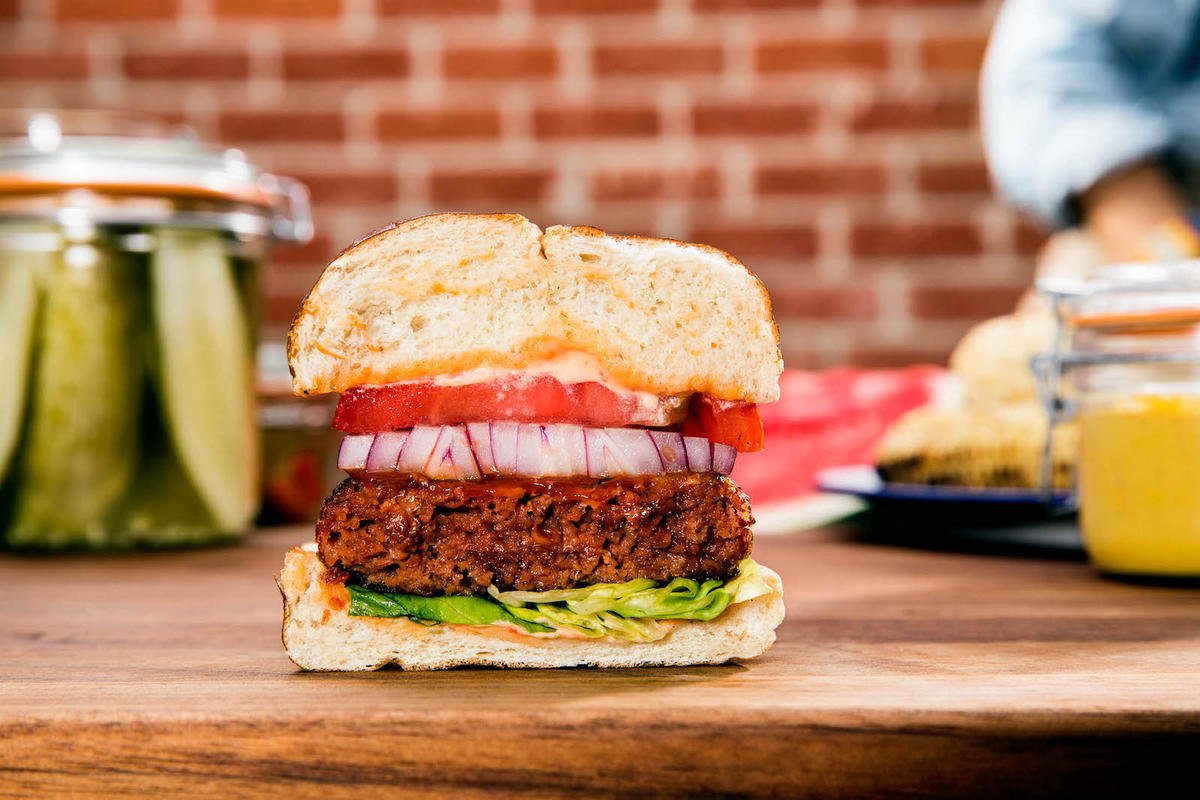
(CNN)New research suggests that burgers, fries, pizza, and high-energy liquids impact testicular characteristics in younger men. Specifically, the sperm counts for men who usually consume “Western” food of excessive fat meals had been 25.6 million lower, on average, than the counts of fellows noshing on fish, bird, result, greens, and different greater “prudent” meals, a new Harvard take a look at observed.
Sperm is the male reproductive cell. A guy is considered to have a low sperm count if he has fewer than 15 million sperm in step with milliliter or much less than 39 million sperm consistent with ejaculation. A low sperm count can negatively affect a man’s potential to get a companion pregnant.
Declining sperm counts in Western countries.
“Sperm have been declining within the Western nations over the past few a long time,” wrote the researchers in a presentation of their findings at the 2019 annual assembly of the European Society of Human Reproduction and Embryology in Vienna on Tuesday. By one current calculation, sperm counts of guys in North America, Europe, Australia, and New Zealand have plunged 59% over an almost forty-year period ending in 2011.
Plummeting counts have coincided with a poorer food regimen. How, if in any respect, do ordinary diets selected by way of northern European men impact testicular characteristics? To find out, the researchers studied the menus and semen satisfaction of almost three 000 healthy young Danish men who underwent an obligatory army-readiness medical exam between 2008 and 2017. A “prudent” pattern of consuming — characterized using masses of fish, fowl, vegetables, fruit, and water — was associated with the very best sperm counts. This changed into followed by “vegetarian” (greens, soymilk, and eggs), after which “smørrebrød” (cold processed meats, complete grains, mayonnaise, condiments, and dairy) patterns.
The “Western” food regimen, inclusive of beef, chips, and other high-fat fats meals, became linked to the lowest sperm counts. Men who ate Western food had sperm counts between eight.86 million and forty-two. Three million lower than guys who ate prudently, the researchers determined after adjusting for outdoor factors that could affect testicular function, which include smoking. “Our findings help the developing proof that adhering to generally healthy food plan styles, which include local versions, is associated with higher sperm counts and more favorable markers of sperm characteristics,” stated the researchers.
Both the goose and the gander
Dr. Peter N. Schlegel, a urologist at Weill Cornell Medicine, told CNN in an e-mail that the new observation “allows solidifying that nutritional patterns within the father affect sperm manufacturing and pleasant. Indeed, the number of those nutritional outcomes is exceeded directly transferred to kids as genetic changes referred to as ‘imprinting,'” said Schlegel, who was not involved in the new study. Charles Lindemann, a professor emeritus and researcher at Michigan’s Oakland University who also did not take part in the studies offered this week, said the brand new take a look at “could be an essential clue if it holds up to scrutiny.” A high processed food diet “may be liable for the recognized trend that has been recorded over the recent period of progressively lowering sperm counts,” he instructed CNN in an email.
“Stress is harmful, and diet or mineral deficiencies also can lessen sperm first-class,” said Lindemann. “My recommendation to guys who touch me is that a properly balanced diet, which includes dairy and clean veggies mixed with ok sleep and exercise, may improve sexual health.”A similar recommendation applies similarly to ladies involved in approximate fertility. Women who consume greater rapid meals and those who consume little or no fruit take longer to get pregnant than women whose diets include several portions of fruit, according to a recent study of more than 5,500 women. Women who made a meal of fast meals 4 or more times per week took nearly a month longer to get pregnant than women who ate several portions of fruit a day, the Australian researchers determined. Women who ate fruit less than three times a month also took longer to conceive than those who ate fruit three or more times a day. Lindemann concluded, “There is no magic meal aggregate to cure infertility to my expertise.”