An effective corporate event begins long before the first guest arrives. It starts with a single question: what does this event need to accomplish for the business and for the attendees? Once that objective is established, each decision becomes simpler, including the guest list or the menu type.
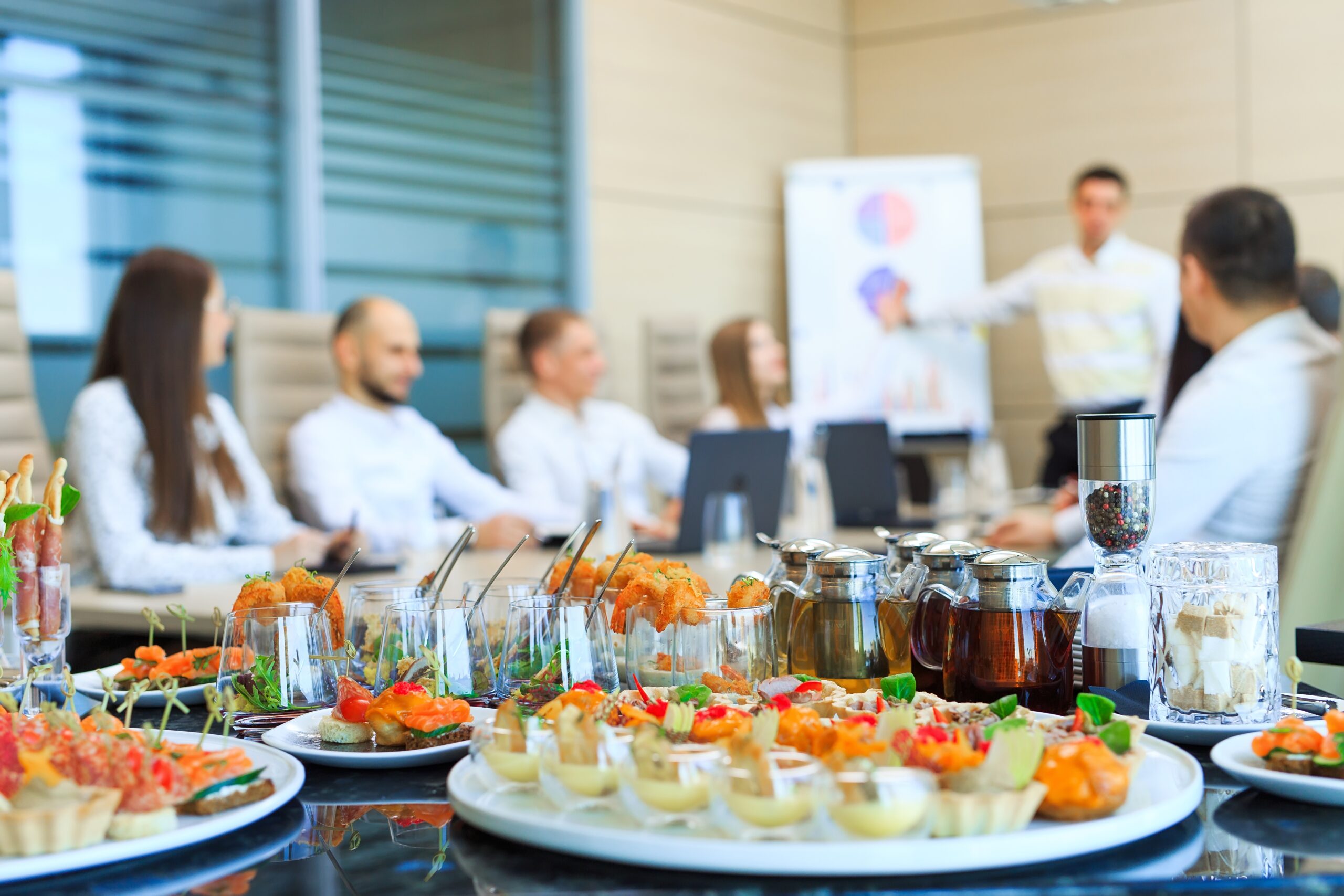
The food must aid the goal of the event, not overshadow it. Are you thinking of a client polishing evening? Corporate Catering Indianapolis IN, will help provide a local and professional atmosphere that fits into the room and the audience. When the occasion is staff bonding, a lighter menu can open people up and make them feel comfortable. This is how you can plan effective corporate events:
Choose a Caterer That Understands the Occasion
Not all caterers fit a corporate environment. Others perform brilliantly during weddings or personal celebrations but fail on business timing, brand recognition, or mass attendance. A reputable local caterer knows how to deliver on time, prepare the food neatly, and serve it without making a noise.
It also assists in collaborating with a team familiar with the local area. They tend to know traffic trends, facility restrictions, parking concerns, and preferences that local visitors like the most. That local knowledge can save time and stress on the day of the event.
When talking to catering companies, inquire about more than food. Questions to ask include: How do they manage setup times, dietary requests, staffing, cleanup, and last-minute changes? Their responses will tell you whether they are merely selling food or assisting you in hosting a successful event.
Match the Menu to the People in the Room
An intelligent menu begins with the guest experience. Busy people desire foods that are readily available, well labeled, and served at the appropriate time. They do not require lengthy queues, bewildered choices, or meals that seem too bulky during an ongoing working condition.
Consider the age group, work culture, and schedule of the event before selecting dishes. A breakfast meeting might require light cuisine that keeps the people alert, whereas an evening celebration can afford more expensive food and a less professional service approach. Such straightforward decisions can be more effective than excessively fancy cuisine that guests can barely even eat.
Eating planning is more important than many organizers want to admit. Consider vegetarian, gluten-free, dairy-free, and low-sugar options as options, not as second-best. When attendees feel understood, they are more comfortable and recollect the event positively.
Make the Event Timed and Flowing
Even good food may fail when it is presented at the wrong time. A full meal, before a keynote address, can make the room slow down, and waiting too long may result in a restless guest. Optimal event plans bridge catering and the inherent flow of the program.
This is where a local catering crew can step in as a planning mate. They can recommend service options that fit your schedule, including boxed lunches to use quickly, buffet stations to move around, or passed appetizers to make mingling easy. Both variants alter the ways in which individuals navigate, communicate, and remain involved in the event.
Another thing you should consider is the placement of food. Coffee by the entrance can become an easy greeting, and dessert by the exit may leave a comforting final impression. Even minor design decisions can influence the tone of the whole party.
Consider Small Details That Prevent Serious Problems
What makes the best corporate events appear easy is the guest. Those seamless moments are usually the result of plenty of planning in the background. Discuss the following practical considerations with your caterer prior to the event date:
- Check guest numbers, service time, and venue access.
- Cross-check dietary requirements and food labels.
- Ask who is managing tables, trash, and cleanup.
- Have one emergency plan in case of weather, delays, or additional guests.
Work Closely With Your Caterer during the Final Week
The last week is where planning comes to life. This is the moment to verify headcount, room setup, delivery windows, phone numbers, and final menu. A last-minute rush may cause confusion, which propagates throughout the entire event team.
It is also useful to designate one point person with the caterer. That individual ought to be aware of the schedule, know the venue, and be ready to make urgent decisions during the day. Effective communication avoids redundant queries and ensures service flows smoothly.
Do not trust that everyone has the same picture of the event. A brief last-minute scan with the caterer can identify overlooked details, like elevator access, electrical requirements, or a small setup window. Avoiding those problems before they arise is far simpler than resolving them when the guest is in the room.
In conclusion, many organizers are obsessed with the beginning and overlook the last impression. But it is the final stage of the party that can linger the longest in the mind of a guest. A final touch of a clean finish, a mindful dessert, or a simple coffee moment can end the event on a high note.
That type of ending can be facilitated by local catering without making it feel impositional. A local dessert, a branded small snack pack, or a small thank-you snack can make the event feel personal and planned. It demonstrates care without requiring a big supplemental budget.
Publication Site: https://foodrips.com/
Organizing a Corporate Event through Local Catering Services
An effective corporate event begins long before the first guest arrives. It starts with a single question: what does this event need to accomplish for the business and for the attendees? Once that objective is established, each decision becomes simpler, including the guest list or the menu type.
The food must aid the goal of the event, not overshadow it. Are you thinking of a client polishing evening? Corporate Catering Indianapolis IN, will help provide a local and professional atmosphere that fits into the room and the audience. When the occasion is staff bonding, a lighter menu can open people up and make them feel comfortable. This is how you can plan effective corporate events:
Choose a Caterer That Understands the Occasion
Not all caterers fit a corporate environment. Others perform brilliantly during weddings or personal celebrations but fail on business timing, brand recognition, or mass attendance. A reputable local caterer knows how to deliver on time, prepare the food neatly, and serve it without making a noise.
It also assists in collaborating with a team familiar with the local area. They tend to know traffic trends, facility restrictions, parking concerns, and preferences that local visitors like the most. That local knowledge can save time and stress on the day of the event.
When talking to catering companies, inquire about more than food. Questions to ask include: How do they manage setup times, dietary requests, staffing, cleanup, and last-minute changes? Their responses will tell you whether they are merely selling food or assisting you in hosting a successful event.
Match the Menu to the People in the Room
An intelligent menu begins with the guest experience. Busy people desire foods that are readily available, well labeled, and served at the appropriate time. They do not require lengthy queues, bewildered choices, or meals that seem too bulky during an ongoing working condition.
Consider the age group, work culture, and schedule of the event before selecting dishes. A breakfast meeting might require light cuisine that keeps the people alert, whereas an evening celebration can afford more expensive food and a less professional service approach. Such straightforward decisions can be more effective than excessively fancy cuisine that guests can barely even eat.
Eating planning is more important than many organizers want to admit. Consider vegetarian, gluten-free, dairy-free, and low-sugar options as options, not as second-best. When attendees feel understood, they are more comfortable and recollect the event positively.
Make the Event Timed and Flowing
Even good food may fail when it is presented at the wrong time. A full meal, before a keynote address, can make the room slow down, and waiting too long may result in a restless guest. Optimal event plans bridge catering and the inherent flow of the program.
This is where a local catering crew can step in as a planning mate. They can recommend service options that fit your schedule, including boxed lunches to use quickly, buffet stations to move around, or passed appetizers to make mingling easy. Both variants alter the ways in which individuals navigate, communicate, and remain involved in the event.
Another thing you should consider is the placement of food. Coffee by the entrance can become an easy greeting, and dessert by the exit may leave a comforting final impression. Even minor design decisions can influence the tone of the whole party.
Consider Small Details That Prevent Serious Problems
What makes the best corporate events appear easy is the guest. Those seamless moments are usually the result of plenty of planning in the background. Discuss the following practical considerations with your caterer prior to the event date:
- Check guest numbers, service time, and venue access.
- Cross-check dietary requirements and food labels.
- Ask who is managing tables, trash, and cleanup.
- Have one emergency plan in case of weather, delays, or additional guests.
Work Closely With Your Caterer during the Final Week
The last week is where planning comes to life. This is the moment to verify headcount, room setup, delivery windows, phone numbers, and final menu. A last-minute rush may cause confusion, which propagates throughout the entire event team.
It is also useful to designate one point person with the caterer. That individual ought to be aware of the schedule, know the venue, and be ready to make urgent decisions during the day. Effective communication avoids redundant queries and ensures service flows smoothly.
Do not trust that everyone has the same picture of the event. A brief last-minute scan with the caterer can identify overlooked details, like elevator access, electrical requirements, or a small setup window. Avoiding those problems before they arise is far simpler than resolving them when the guest is in the room.
In conclusion, many organizers are obsessed with the beginning and overlook the last impression. But it is the final stage of the party that can linger the longest in the mind of a guest. A final touch of a clean finish, a mindful dessert, or a simple coffee moment can end the event on a high note.
That type of ending can be facilitated by local catering without making it feel impositional. A local dessert, a branded small snack pack, or a small thank-you snack can make the event feel personal and planned. It demonstrates care without requiring a big supplemental budget.