The nutraceutical and dietary supplements market in India is still at a nascent stage. Nutraceuticals enhance fitness conditions and feature medicinal benefits that are useful resources in the prevention and treatment of diseases. The nutraceuticals marketplace in India was worth INR 260 Bn in 2017 and is predicted to reach a price of INR 808 Bn with the aid of 2023, expanding at a CAGR of ~17%.

Nutraceuticals market segmentation:
The nutraceuticals marketplace is segmented into the following sorts:
- o Functional food
- o Functional liquids
- o Dietary supplements
Dietary supplements dominate the market with a sixty-five % percentage, and practical food and liquids account for 35% of the general nutraceuticals market. India presently accounts for ~2% of the global nutraceuticals marketplace.
In India, the city penetration degree of nutraceuticals is around 22.15%, and rural penetration is around 6.32%. However, urban penetration is greater because the demand for dietary protein supplements is growing among many city teenagers due to enthusiasm for keeping fit and building a sturdy physique. Moreover, increased shopping power and growing disposable income have prompted Indians to be more conscious about their health and undertake diets that ensure good nutritional supplements.
Indian dietary supplements marketplace evaluation:
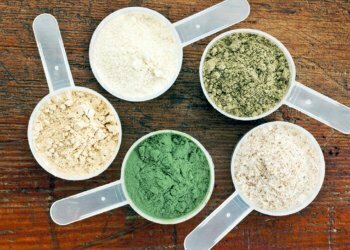
Dietary supplements are merchandise fed on in the form of powder, tablets, or liquid, to make up for the deficiency prompted due to a lack of a balanced diet. Based on product kind, the dietary supplements marketplace is segmented into:
- o Vitamin
- o Herbal
- o Probiotic
- o Omega-3
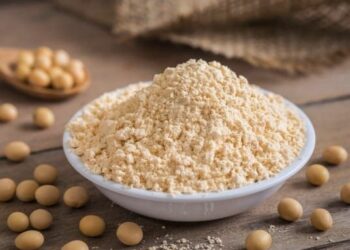
- o Protein Supplements
The dietary supplements marketplace in India is expected to grow CAGR of ~20% from 2015 to 2023.
Product-clever:
Vitamins and minerals occupy a bigger proportion of the pie inside the Indian dietary supplements market – forty % – accompanied by the herbal section contributing 30%, the protein phase contributing 25%, and other segments contributing around five % of the overall market. Vitamin and mineral supplements consist of micronutrients that assist the body in functioning well and improve intellectual health. The vitamin and mineral dietary supplements market accommodates around 100 marketplace players. The city populace in India that resides in metro cities predominantly consumes dietary protein supplements. On the other hand, cOn hand, cardiac, anti-diabetic, dermatology, vaccines, nutrients, minerals, and supplements are the quickest growing segments within the dietary supplements marketplace.
Player-wise:
Vitamin supplements dominate the dietary supplements market in India. Amway India Enterprises Limited is the market leader in the vitamins and dietary supplements phase, with ~33. Eight percent market proportion, accompanied by the aid of Pfizer Limited, Merck, Bayer, and Abbott. The probiotic capsules and nutritional dietary supplements phase is dominated by Dr. Reddy’s Laboratories, Tablets India, and USV India. Apid digitization and boom in social media utilization have extended awareness concerning nutrition care and improved access to important information. Changing lifestyles is increasing the occurrence of several illnesses consisting including diabetes, high blood pressure, obesity, and cardiovascular problems. Higher earnings corporations are the principal customers of nutritional dietary supplements in city regions, which may develop at a rapid pace. Moreover, rising fitness attention, the fast growth of the e-trade market, and the rise in line with per capita income are driving the growth of the dietary supplements marketplace in India.
Key challenges of the market:
The lack of a clear regulatory framework has been a major challenge to the boom of the dietary supplements marketplace in India. Around 60% of the nutritional dietary supplements bought throughout India are fake, counterfeit, unregistered, and unapproved, further being extremely hard to become aware of. In India, protein supplements are priced high, making them pretty high-priced for intake on a normal basis through the country’s decrease middle class and rural population.